Human editorial responsibility
Every article receives human editorial review before publication and continued human review afterward. Eric Gutierrez directs the editorial work and is accountable for what we publish.
About Formative Spaces
A clearer view of the data, decisions and stories shaping education in the United States.
Built for parents, educators and everyone with a stake in what happens next.
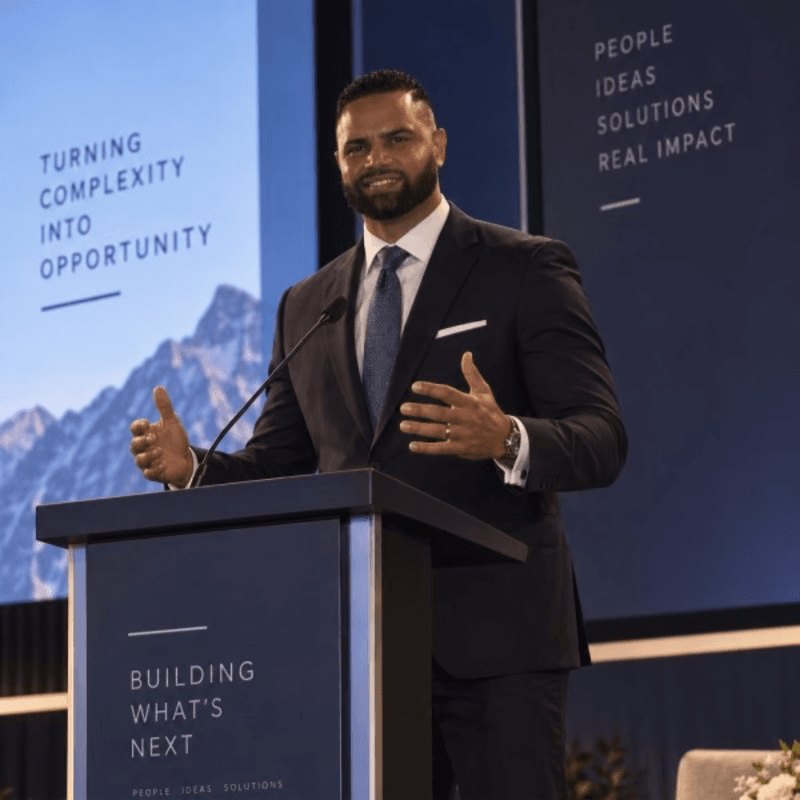
The founder
A background in technology and public service. A focus on helping people understand the institutions that shape their lives.
Eric founded Formative Spaces to make education intelligence more accessible to the people who need it: parents weighing choices for their children, educators navigating change, and communities trying to understand how decisions will affect their schools.
His career spans technology, public-sector strategy and service, including work at Amazon Web Services and Verizon, New York City government, and the United States Marine Corps. He has worked on complex questions involving cloud technology, artificial intelligence, data and the modernization of public institutions.
That experience informs the questions he brings to the publication: What does the evidence actually show? How does a policy work in practice? Who is affected? And what important detail gets lost between an announcement and its consequences?
Eric holds an MBA from Columbia Business School and a bachelor’s degree in computer engineering from the City University of New York. At Formative Spaces, he directs the editorial work and serves as principal author, bringing an analytical perspective to reporting that keeps students, families and educators at its center.
Why we exist
Education changes through thousands of decisions: a district budget, a classroom technology rollout, a state rule, a new approach to learning. Their effects are often local, gradual or buried in a public document. Many never become national headlines.
Formative Spaces follows the data, stories and trends that can fall outside the attention of major publications. We connect the policy record to implementation, explain the context behind the numbers, and make consequential developments easier to understand and follow.
Our ambition is to become the most trusted platform and publisher for education intelligence in the United States. We intend to earn that trust through useful reporting, evidence readers can examine, editorial independence and the willingness to correct the record.
How we earn trust
Human judgment and automated scrutiny work together. The purpose is rigorous, transparent reporting with a clear line of responsibility.
Every article receives human editorial review before publication and continued human review afterward. Eric Gutierrez directs the editorial work and is accountable for what we publish.
AI assists research and writing. A separate, adversarial automated review challenges claims, citations, source support and historical context. Guardrails target falsehoods, bias, unsupported conclusions and misleading framing.
We link to named sources and prefer original records for official decisions, policy provisions and data. We distinguish what the evidence establishes from interpretation, proposals and open questions.
Review continues as stories develop. We assess new evidence, correct verified errors and identify material updates. Readers can challenge a finding and send the record that supports a correction.
Formative Spaces Research is our institutional author and research credit, appearing alongside Eric on reporting and analysis. Our methodology explains the review process, source standards and corrections in more detail.
Explore our sourcesStart exploring
Reporting on the decisions and developments shaping education.
A deeper view of schools, systems, evidence and policy.
Follow the questions that matter, from AI in schools to approaches to learning.
Choose up to five interests and build your own reading page. Make Formative Spaces yours