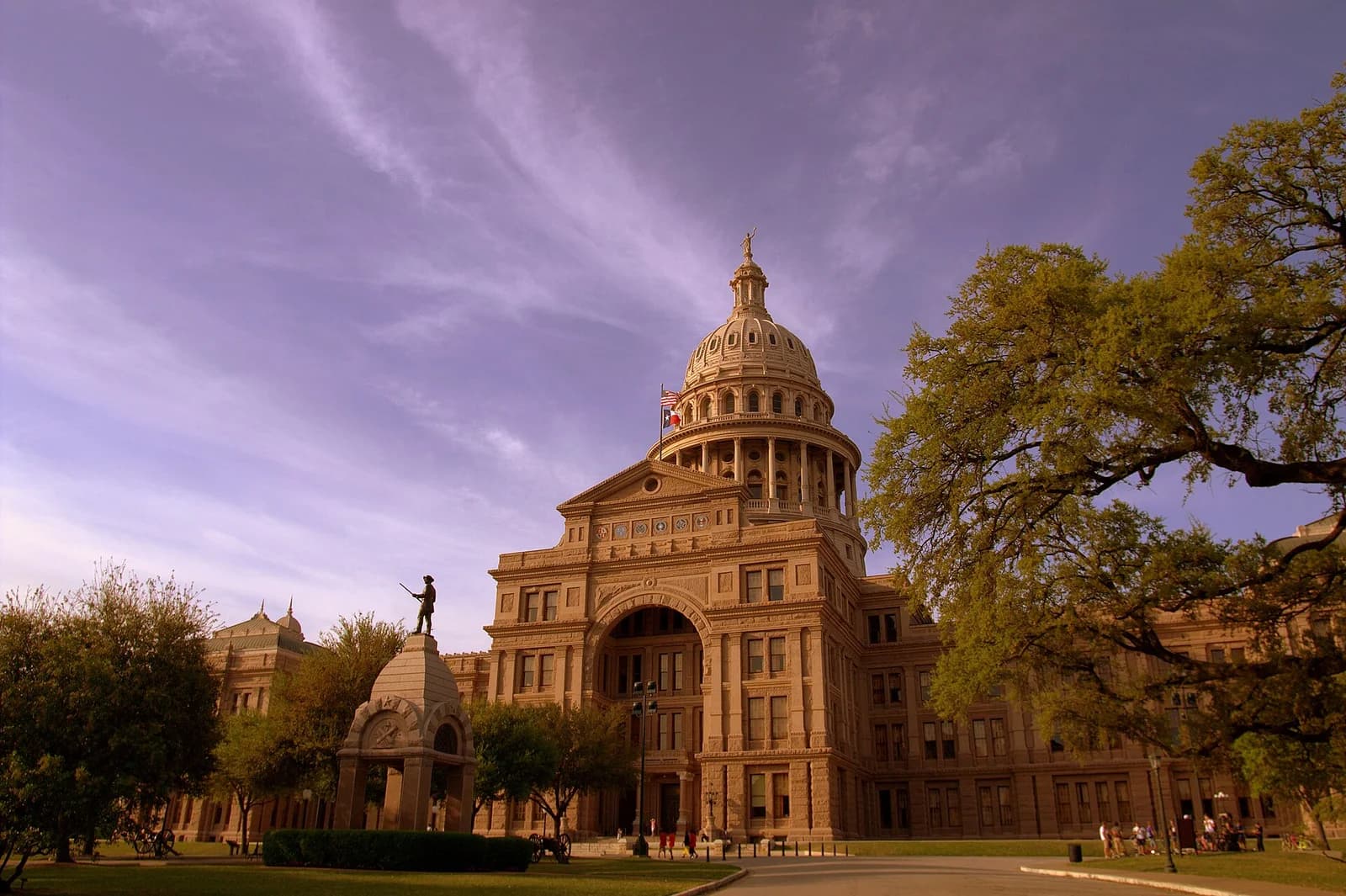
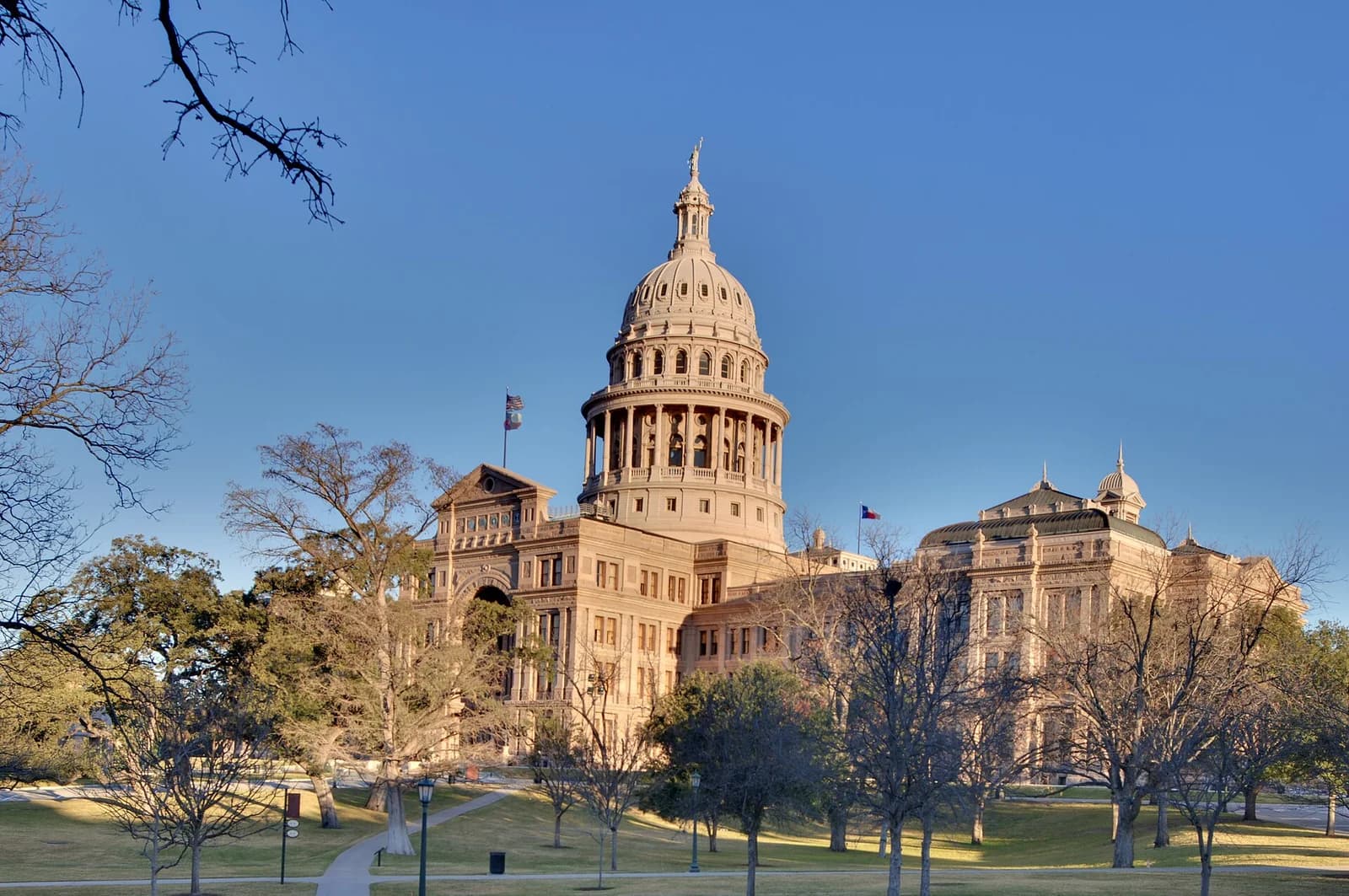
Unofficial results show Democrats likely to win an 8–7 majority on the Texas State Board of Education for the first time since 1994, with a margin of about 564 votes in the decisive race.
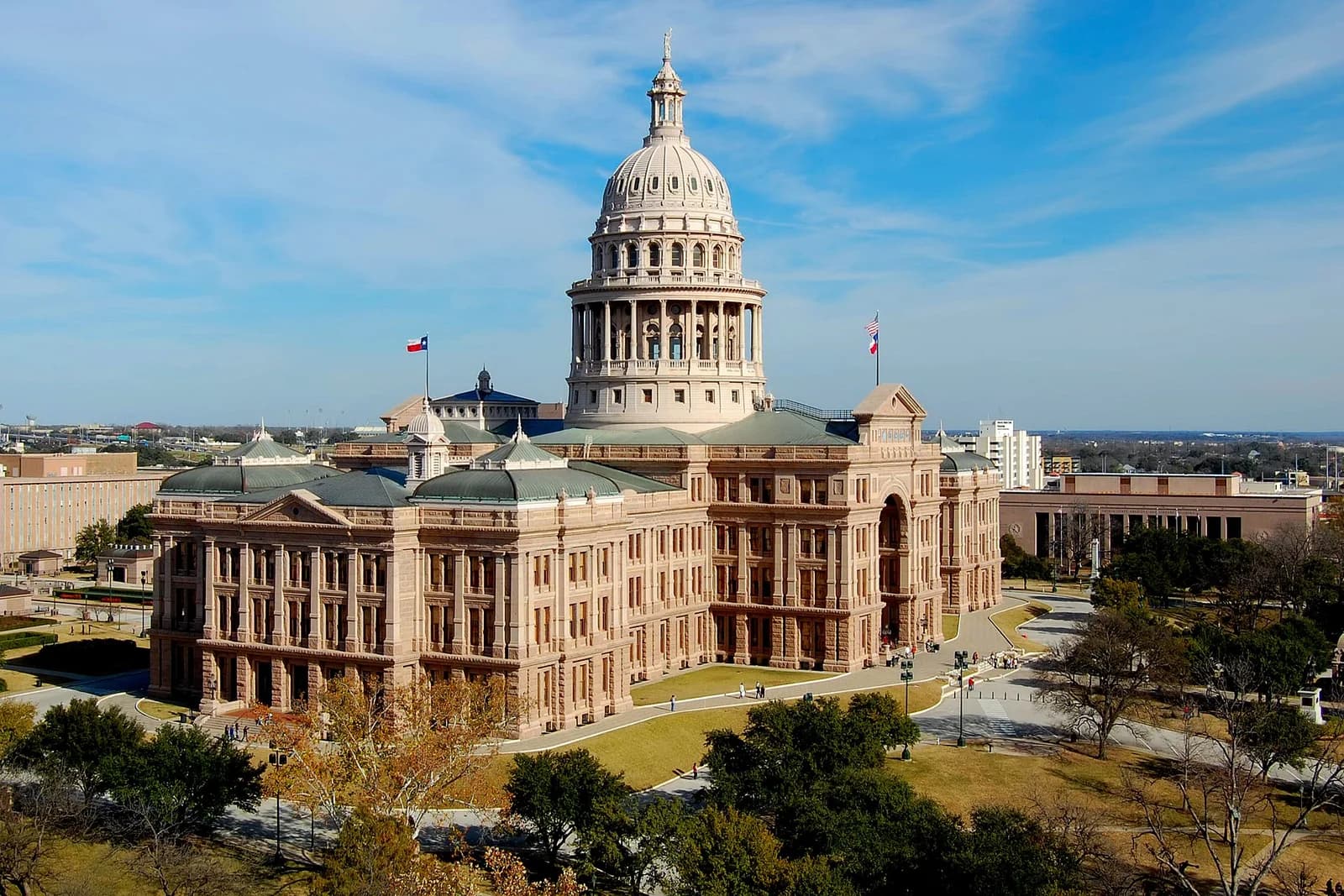
The Texas State Board of Education appears to have flipped to a Democratic majority after the Nov. 3, 2026 election, according to unofficial results from the Texas Secretary of State. If the results hold, the 15-member board would shift from an 11–4 Republican majority to an 8–7 Democratic majority, the first Democratic control of the board since 1994.
The deciding race is District 8, where Democrat Dana Van De Walker led Republican incumbent Audrey Young by 564 votes — 300,108 to 299,544 out of 599,652 total votes cast, according to the Texan. Young has not conceded, and a recount is possible. Without District 8, Democrats and Republicans each hold seven seats. Five new Democrats appear to have won seats, and six of the eight newly elected members are current or former educators, per the Texas AFT.
Unofficial results show Democrats likely to win an 8–7 majority on the Texas State Board of Education for the first time since 1994, with a margin of about 564 votes in the decisive race.
New Mexico's proposed student data rule would permit AI training on K-12 data if contractually authorized, contrasted with California's ban. The rule follows concerns about voice recordings and parental consent.
Starting in early 2027, Google will turn off Gemini and Google Search for student accounts by default, but Search's AI features cannot be disabled separately, forcing schools that ban AI to also forgo Search.
State education officials presented new threshold recommendations on Nov. 5. If adopted, the changes would increase the share of students rated 'advanced' and make year-over-year comparisons difficult.
Ohio law prohibits the district's mandated financial recovery plan from counting the newly passed levy. The plan, due Nov. 30, must outline cuts the board controls, even though the district's own forecast shows the $66.3M in annual revenue would erase the projected deficit and restore healthy reserves.
The district seeks a five-year, 7-mill levy projected at about $66.3 million a year while the state requires a recovery plan due Nov. 30 that excludes that revenue. Officials project $20 million to $25 million more in annual cuts if voters say no.
The vote would enact student assignments central to the $265 million Reimagining Education bond plan, leaving transportation and equity concerns unresolved.
The Howard County school board approved an AI use policy one week after Maryland's deadline, taking a permission-based approach that differs from neighboring Frederick's blanket ban.
Virginia's HB 836 and SB 491, approved April 13, 2026, require school boards to adopt policies for handling immigration enforcement requests by December 31, 2026, and principal training by the 2027-28 school year.
San Francisco's board of education directed staff to develop a neighborhood-based enrollment system for elementary schools, replacing the 2011 lottery. A final policy vote is set for April 2027.
The vote funds modernization of four schools that will absorb students from buildings designated to close, while $1.9 billion of the district's $3 billion facilities plan remains unfunded.
The U.S. Department of Education's Student Privacy Policy Office alleges that North Monterey County, Palo Alto, and San Francisco districts violated federal parental consent law by requiring students to complete ethnicity and identity mapping exercises. The districts dispute the allegations.
The new 2027–2035 schedule reduces statewide adoptions from nine content areas to six, extending the cycle to nine years. Districts will independently adopt materials for Physical Education, World Languages, and the Arts.
The proposal would replace locally chosen screening tools with a single state-approved screener for early grades and establish a retention pathway for fourth graders, with exemptions for multilingual learners and students with disabilities.
The Joint Subcommittee to Study Elementary and Secondary Education Funding approved a plan to hire a consultant to evaluate a shift to a student-based model. The study could take up to 24 months.
The Texas Education Agency is phasing in a new framework that allocates state special education dollars based on documented IEP needs rather than instructional setting, with a 2026-2027 transition year requiring dual reporting.
A letter from Sens. Murray and Baldwin alleges the department withheld roughly $630 million across 35 grant programs by paying out multiyear awards in a single lump sum, reducing the number of new grants to schools and universities.
The draft Policy DM, which addresses student use, employee training, privacy, and equity, faces a 30-day public comment period and two more board readings before adoption, missing Maryland's Oct. 22 deadline.
California immigrant student enrollment fell from a record 236,958 in 2024-25 to 228,780 in 2025-26, with new arrivals declining further in subsequent years as federal border restrictions curtailed crossings, leading to program cuts in Oakland and Los Angeles.
The U.S. Department of Justice sued 24 states and D.C. over tuition-equity laws between June 2025 and September 2026. Seven states ended in-state tuition for undocumented students. Four states restricted CTE and dual enrollment access.
Superintendent Ben Shuldiner frames consolidations as mergers rather than closures, reviving a contentious effort withdrawn in 2024 after public opposition.
A new Urban Institute study based on interviews with 34 Latino mixed-status families documents persistent school absences, altered transportation, and academic strain, with Chicago schools providing more support than Charlotte under different state policies.
A proposed rule would require SEVP-certified institutions to pay $70,000 for each initial OPT recommendation and $30,000 for each subsequent one, with fees collected by the U.S. Treasury.
The decline, the first since the pandemic, hits urban districts hardest and reduces state funding under Texas's attendance-based model. Enrollment drops also reported in California, Florida, and New York.
A regulatory agenda entry proposes removing H-4 spouses from the (c)(26) employment authorization category, but no proposed rule has been published and current EADs remain valid.
The new law, signed August 5, 2026, prohibits warrantless civil arrests on school grounds and mandates written emergency plans for all districts. California's AB 495 provides a parallel model.
The State Board of Education discussed proposed adjustments to its A-F school grading framework at its Oct. 20 meeting but took no formal vote. A final vote is expected Dec. 15. The $1.2 million first-year cost remains unfunded, and Interim Commissioner Preis resigned.
The Cherry Hill Board of Education approved Policy 2365, a five-level framework for generative AI use across pre-K through 12, with grade-band ceilings and no independent AI for youngest students. A parental opt-out was considered but reported dropped, according to news reporting on the Oct. 13 adoption.
A new Migration Policy Institute fact sheet estimates about 75,000 unauthorized immigrant students graduate from U.S. high schools each year. The graduates are concentrated in four states and face diminishing opportunities after graduation.
The state panel heard data showing teachers on temporary licenses now make up the largest share of new hires but leave at higher rates. The task force is leaning toward making the licensing exam one option among several for earning a full license.
If voters reject the seven-mill levy on Nov. 3, district leaders say deeper cuts to programs and staffing are next, even as a state-mandated financial recovery plan due Nov. 30 must exclude levy revenue.
New state law requires all Tennessee grades 6-12 teachers to complete a free, department-approved AI course by August 1, 2028, or within two years of licensure. The mandate builds on a 2024 policy requiring districts to adopt AI-use plans.
The Wyoming Department of Education reopened proposed Chapter 57 rules for a second 45-day public comment period after stakeholders requested a statewide reading standard and a fixed list of approved materials.
A new state law makes AI governance mandatory, requiring the Department of Public Instruction to publish a model policy by year-end 2026 and all public school units to adopt their own by mid-2027, with teacher training and literacy standards to follow.
The Blaine County School District in Idaho faces a 6.6 percent enrollment decline and a projected $3.5 million deficit, leading the board to impose a $1.2 million compensation package after the union rejected a tentative agreement.
Miami-Dade County Public Schools' official October count shows a drop of nearly 16,000 students, with traditional schools bearing most losses. The decline deepens budget shortfalls as Florida's universal voucher program redirects state dollars to private schools.
Enrollment declines in schools with high English learner populations translate to millions in lost funding and proposed teacher layoffs, as similar patterns emerge in Florida and California.
Processing times have surpassed seven months for most applicants. Educators in at least five school systems have been terminated or unable to start assignments after their work authorization expired before adjudication.
On October 8, 2026, the Alabama State Board of Education unanimously adopted a resolution acknowledging approval of all 44 numeracy course sequences across the state's 24 educator-preparation programs, completing a two-year review process required under the Alabama Numeracy Act.
The South Carolina district cited state workshop guidance and data privacy, becoming one of the most restrictive K-12 AI access policies in the state while York County peers move at different speeds.
Idaho requires a statewide generative AI framework and local school policies, placing it between Ohio's lighter-touch and Utah's more prescriptive models.
The Ohio Department of Education and Workforce projected a $44.5M deficit by FY2029 and placed CPS in fiscal caution. Voters approved the $66.3M levy on Nov. 3, but the state-required recovery plan cannot assume that revenue. The board is scheduled to vote on the plan at its Nov. 23 meeting.
Montclair, N.J., adopted one of New Jersey's most restrictive K-12 generative AI policies on Oct. 14, 2026, prohibiting use through grade 8 and tying high school use to teacher authorization, as state guidance remains advisory and legislation is pending.
San Francisco Unified School District technology officer Eddie H. Ngo signed an OpenAI agreement weeks before the Board of Education could vote. The document redacts pricing and a term. The district calls it cost-free; comparable deals cost California schools hundreds of thousands to millions.
The proposed rule would remove the discretionary grace period that allows H-1B workers time to depart or change status after job loss, potentially forcing H-4 dependent children to withdraw from school mid-year with no buffer.
The board approved the superintendent's recommendation to close and consolidate 17 school sites beginning in the 2027-28 school year, addressing a $12 million budget shortfall driven by declining enrollment.
The district must simultaneously campaign for a $66.3M annual property tax levy while preparing a state-ordered deficit reduction plan that cannot rely on that revenue, putting it at a crossroads.
Starting July 1, 2026, school districts must inform parents within 10 school days after a related service is not provided as scheduled, explain the reason, and discuss a make-up plan. Parents also gain the right to request service provider logs or progress notes within 15 school days after the service is provided.
All 24 local school systems must have a board-approved AI policy and a central-office AI coordinator under the AI Ready Schools Act. Early adopters show varied approaches.
A new state law requires all public school districts to adopt AI policies, provide annual disclosures to parents, and allow opt-outs from student-facing AI tools without academic penalty.