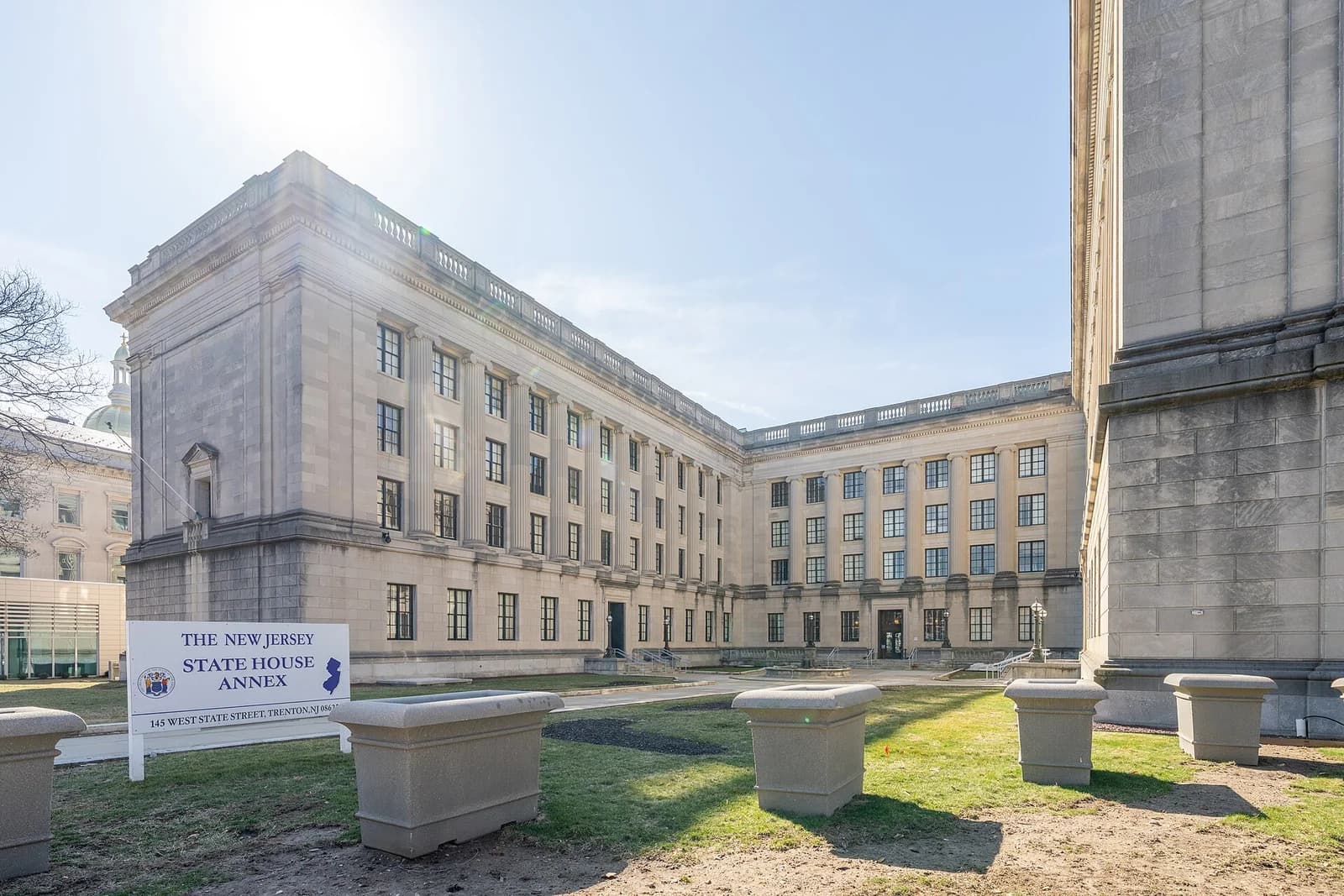
The New Jersey State Board of Education discussed proposed amendments to the state’s educator evaluation regulations at its September 2025 meeting and scheduled public testimony for October 7. The rules in question, N.J.A.C. 6A:10 (Educator Effectiveness), are set to expire on July 6, 2027, requiring a readoption cycle that the board is now undertaking.
What the amendments propose
The New Jersey Department of Education described the proposed amendments as a strategic evolution of the evaluation framework. According to the department, the changes are grounded in the 2024 Governor’s Educator Evaluation Review Task Force report and the 2025 Educator Evaluation Working Group’s guidance. The goal, the department said, is to shift the rules toward a system that prioritizes instructional feedback and professional growth, rather than compliance with a set of mandated metrics.
The Task Force’s principal regulatory recommendation, labeled Recommendation 13, called for targeted changes. First, it urged eliminating Student Growth Objectives, known as SGOs, and integrating multiple objective measures of student learning into Professional Development Plans. Second, it recommended expanding eligibility for alternative observation activities — currently limited to teachers rated “highly effective” — to include those rated “effective” as well. Third, it proposed incorporating the statutory definition of multiple objective measures of student learning, already in the TEACHNJ law (Chapter 26), directly into Chapter 6A:10.
The Task Force found that requiring four annual goals — a combination of SGOs and PDPs — was duplicative. The report argued that a high-quality PDP could satisfy the multiple-measures requirement without a separate SGO. It also recommended reducing the annual goal-setting burden to two integrated goals.
The Task Force further recommended reconsidering the four-tier rating system — ineffective, partially effective, effective, and highly effective — and potentially moving to three categories. The report argued that debates over small scoring differences misdirect conversations away from professional growth and toward scoring.
Legislative backdrop
The current regulatory effort builds on two pieces of legislation. P.L.2024, c.14, signed in May 2024, established the 13-member Educator Evaluation Review Task Force and halted the collection of new SGO data for the 2024-2025 school year, directing that existing data be used instead. That law required the Task Force to issue a final report by September 30, 2024.
A second law, P.L.2025, c.79, approved in June 2025, extended the pause on collecting new SGO and administrator goals data through each school year until the next readoption of N.J.A.C. 6A:10. It also expanded the pause to cover principals, assistant principals, and vice-principals.
Working group guidance and new activities
The 2025 Educator Evaluation Working Group, which met from January through May 2025, focused on three areas: producing guidance on evaluation flexibilities, developing Highly Effective Educator Option activities for the Commissioner’s approved list, and reimagining the SGO process. The Department of Education released the resulting guidance document, “Educator Evaluation Guidance: Flexibilities and Best Practices,” in July 2025. It includes six new Commissioner-Approved Activities: Leading In-District Professional Development, Data Protocol, Peer-to-Peer Protocol, Action Research, Digital Capture, and Reflective Practice Through Student Perspectives.
Student growth percentile scores and unresolved issues
The Task Force noted that about 15 percent of New Jersey educators receive a median student growth percentile (mSGP) score, which accounts for 5 percent of their summative evaluation. The Task Force recommended deferring any re-examination of mSGP until N.J.A.C. 6A:10 is opened in its entirety, citing that mSGPs and similar metrics nationwide continue to be successfully challenged in court.
Evidence base cited
The Task Force report references Charlotte Danielson, a scholar known for developing a widely used framework for teaching, who expressed concern in 2016 about teaching being reduced to a checklist of behaviors. She advocated for a major rethinking of how teacher evaluation is structured. The report cites this as part of its policy recommendations rather than as an independent empirical evaluation.
With the SGO collection pause extended through the readoption cycle and the State Board scheduled to take public testimony in October, New Jersey faces a decision on whether to formally eliminate SGOs and shift toward a feedback-centered evaluation model. The Task Force and Working Group have endorsed this direction, but making the change requires both regulatory action and potentially additional statutory changes.