Seven states end in-state tuition for undocumented students; Florida, Virginia, Georgia restrict CTE and dual enrollment
The U.S. Department of Justice sued 24 states and D.C. over tuition-equity laws between June 2025 and September 2026. Seven states ended in-state tuition for undocumented students. Four states restricted CTE and dual enrollment access.
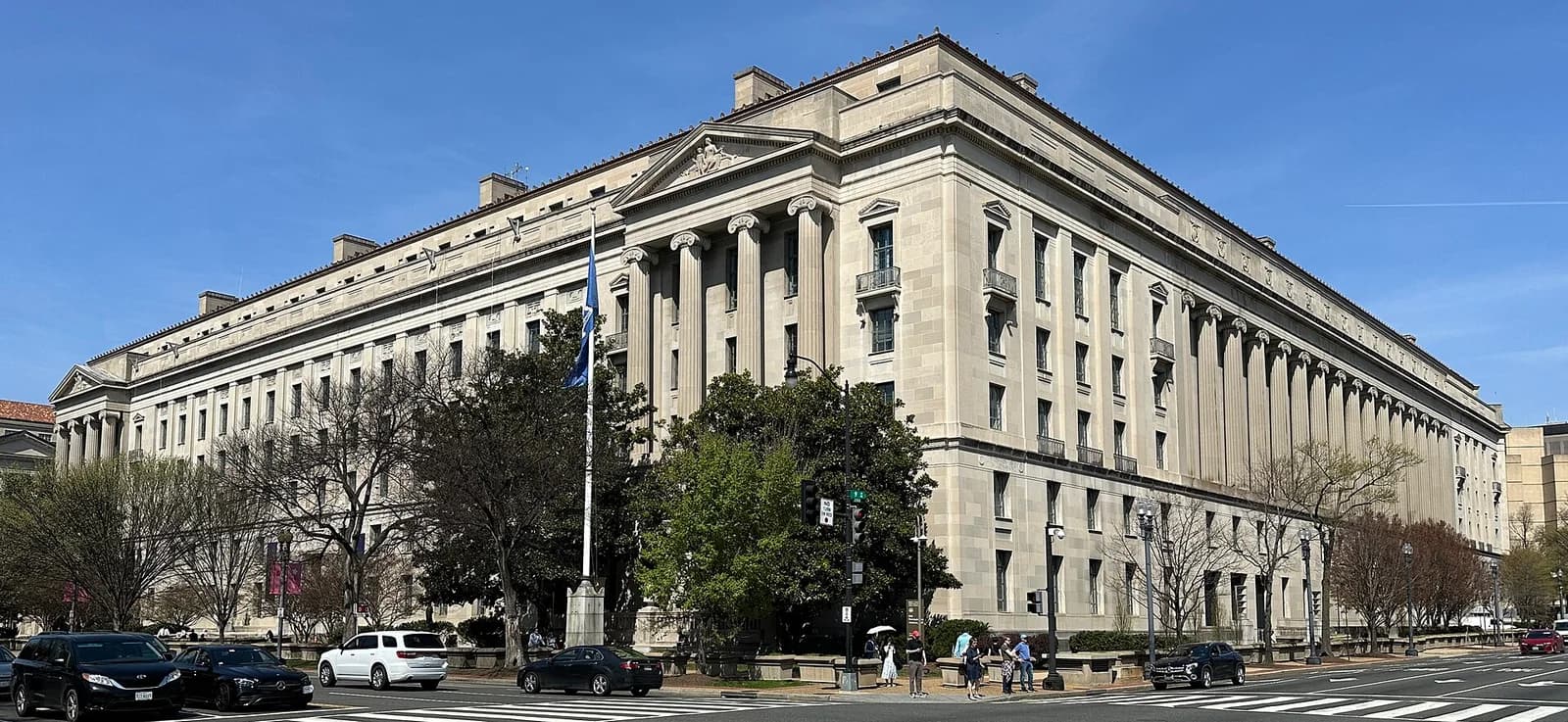
Between June 2025 and September 2026, the U.S. Department of Justice filed lawsuits against 24 states and Washington, D.C., arguing that state laws offering in-state tuition to undocumented students violate federal immigration law. Seven states have since ended or lost those discounted rates through court orders or legislative action. Separately, at least four states moved to restrict undocumented students from career-technical education and dual enrollment programs, though Virginia later reversed its policy. The DOJ's litigation relies on 8 U.S.C. section 1623(a), which bars states from granting higher education benefits based on residency to noncitizens who are not lawfully present. Six of the seven reversals came through federal court orders or consent judgments, not legislation. Texas was first, on June 4, 2025, when a federal judge voided the 2001 Texas Dream Act after the state agreed to a consent judgment. The Texas Higher Education Commissioner reported that about 19,000 students had signed affidavits under the law.